

Steves Homestead
The Steves Homestead, built in the 1870s, is one of the district's best-known houses and a useful reference for the northern end of King William.

The King William Historic District holds some of the oldest houses in San Antonio, built mostly in the 1870s to 1890s, with steep gables, turrets, bays, and patterned shingle work. Those roof shapes shed water well when they are sound, but every valley, dormer, and chimney is a place water can sit. The district is one of 32 local historic districts in the city, so exterior changes generally need review through the Office of Historic Preservation, with a Certificate of Appropriateness. In-kind repairs are usually staff-level; a change of material or profile goes to the Historic and Design Review Commission, so we allow time for that step. Before any work starts, we check the roof slope by slope and photograph what needs attention, so the scope you approve is the scope we build.
Southtown sits just south of downtown along South Presa Street and the San Antonio River, in the 78204 area, and it shares King William's early building stock: early-20th-century commercial buildings and houses with steep and complex roofs, many of them inside or beside historic districts.
Roof work in Southtown follows the same approach as King William. Where a property sits in a historic district, exterior changes go through the Office of Historic Preservation, with in-kind repair handled at staff level and material or profile changes going to the Historic and Design Review Commission. Call (254) 645-5833 to schedule an inspection and we will confirm what applies at your address.
King William roofs need a roofer who knows steep pitches, old framing, and the historic review process. These are the four services we use most in the district.
King William roofs are old, steep, and detailed. These are the four problems we see most in the district.
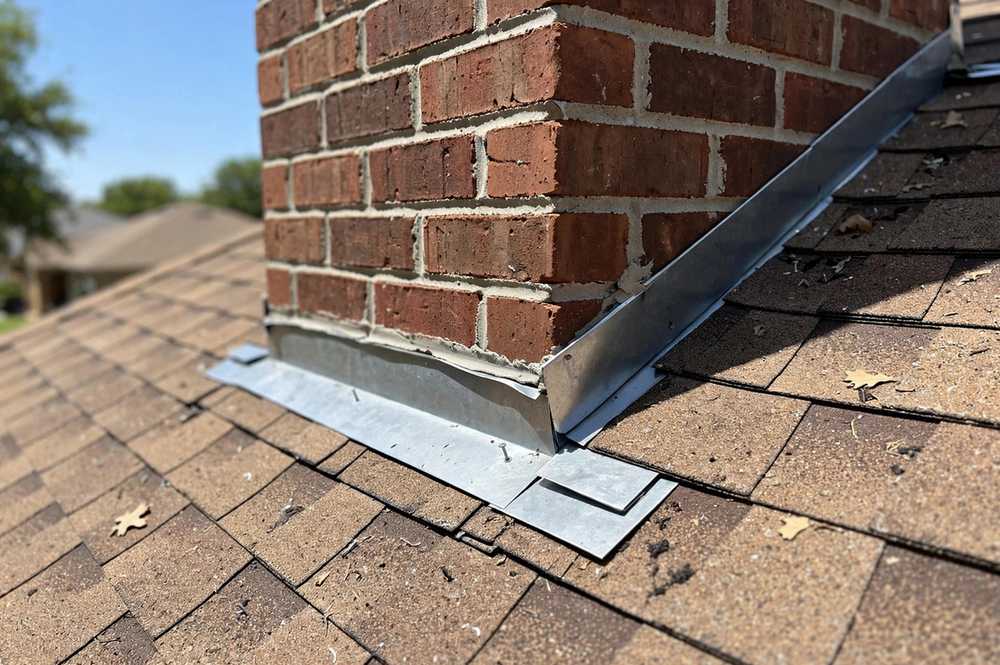
A Queen Anne roof has more intersections than a ranch roof, and each one is a flashing point. Heat cycles work the sealant loose, and the leak usually shows up several feet from where the water gets in.
Tile itself can last 50 years or more, but the underlayment beneath it lasts 20 to 30 years. On a district roof, the tiles often look fine while the layer doing the waterproofing has given out.
Patterned shingle courses and turret work are part of the district's character. When courses loosen or go missing, matching the profile matters, and a change in profile is a design-review question.
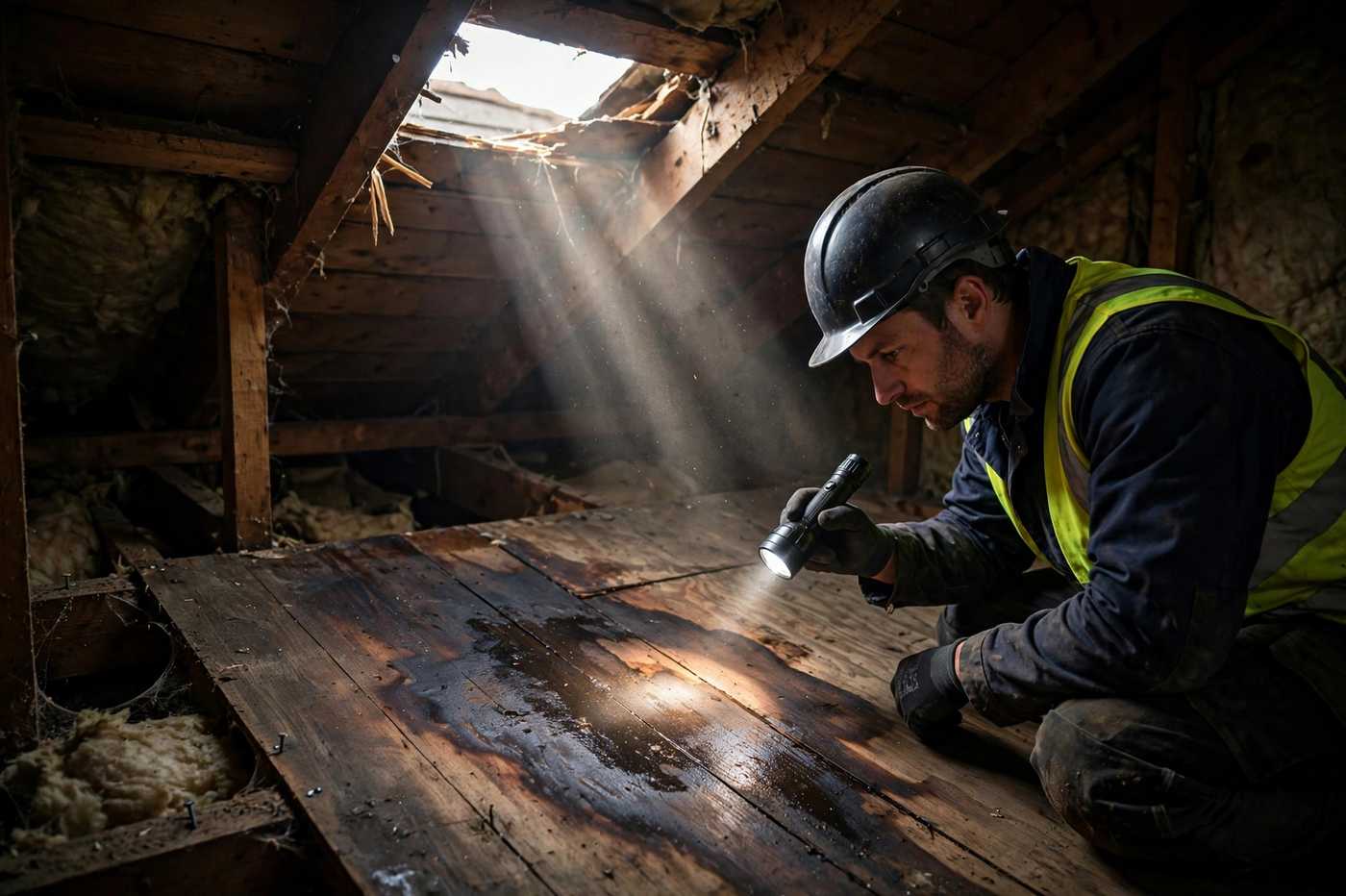
Homes built before about 1960 in this part of the city are mostly pier-and-beam. Frame movement can rack a roof plane and open flashing and valley joints, so we check the deck from the attic side before recommending work.
Old roofs rarely fail all at once. If you are seeing any of these in King William, it is worth getting an inspection before the next storm season.
Ceiling stains after rain
A brown ring on the ceiling usually means water is getting in at a flashing point or a failed course. The leak may be several feet from the stain, so we trace it before repairing.
Granules in the gutters
Granule loss is normal as shingles age, but a heavy build-up after a hail storm means the shingle mat is exposed and will age faster. Get the roof inspected before the next hail season.
Missing or slipped tiles and shingles
Wind can lift a shingle tab or slip a tile without tearing it off, which leaves the roof open to the next rain. We reset or replace the affected pieces and check the rest of the roof.
Daylight through the roof boards in the attic
If you can see daylight through the deck, there is a gap or a failed penetration that will leak. This is common around chimneys and dormers on district houses.
Soft spots when walking the roof
A soft spot usually means the decking has water damage underneath. We inspect the attic side and the decking before recommending repair or replacement.
King William sits along the San Antonio River just south of downtown. These are the reference points our crews use when routing to the district.
The Steves Homestead, built in the 1870s, is one of the district's best-known houses and a useful reference for the northern end of King William.
King William Park sits near the centre of the district and helps our crews orient to the surrounding residential streets.
The river runs along the district's edge, and the streets nearest the water are the first reference point for routing into King William.
The Blue Star Arts Complex anchors the Southtown side of the area and is a familiar landmark for the streets south of the district.
Our office is at 6 Irongate Creek, San Antonio, TX 78238. Call to ask whether your address is in our current service area.
5.0 out of 5 from 18 Google reviews.
"Rene took a genuine, zero-pressure approach. He is remarkably honest, transparent, and truly puts the customer's best interest first."
Imanii Roberson
Roof repair for storm and wind damage · 2 months ago
"Rene is incredibly honest, hardworking, and dedicated to his customers. He takes the time to truly understand your needs and delivers quality work and results at a price that won't break your wallet."
Joe Favor
Roof inspection, roof installation, storm and wind repair · 2 months ago
King William weather follows the citywide pattern: spring hail, summer heat, and a mild winter. Here is what each season means for a district roof.
Spring is hail season in Bexar County. About 85 percent of hail reports of one inch or more fall in March through May, and the 12 April 2016 storm dropped 4.5-inch stones across the city. We see the most calls for missing shingles, hail damage, and leaks after each storm line.
Tip: Get a roof inspection after any hail storm, even if you see no damage from the ground. Bruising and granule loss are not always visible.
Summer heat bakes shingles and sealant, and attic temperatures climb well above the outdoor air. UV exposure ages roofs faster, and afternoon thunderstorms test every flashing point on a steep, complex roof.
Tip: Schedule maintenance in early summer to reseal flashing and clear debris before the afternoon storms start.
Fall brings another round of storm lines with wind and hail, plus falling leaves that collect in valleys and gutters. On a district roof, a clogged valley can push water under the courses.
Tip: Clear valleys and gutters after the leaves drop, and check for lifted shingles after any wind event.
Winter in San Antonio is mild, but an occasional freeze can crack flashing seals. Pier-and-beam houses add a second check: crawl-space plumbing is an additional freeze-burst location, so a winter water stain is not always a roof leak.
Tip: Check attic insulation and ventilation before the first freeze, and tell us if the stain appeared during a freeze so we check both causes.
King William sits in the historic core, close to the other early neighbourhoods. These are the nearby San Antonio neighbourhoods we also serve.
(San Antonio neighbourhood)
One of the nation's largest historic districts, with Craftsman, Tudor, and Spanish Eclectic houses.
View Monte Vista(San Antonio neighbourhood)
Historic-core neighbourhood along the Museum Reach, with the Pearl district at its edge.
View Tobin Hill(San Antonio neighbourhood)
East-side historic district with 1910s to 1940s bungalows.
View Dignowity Hill(San Antonio neighbourhood)
Central bungalow-belt neighbourhood north of downtown.
View Beacon HillReal answers from our team for the questions we hear most often before a job starts.
If your King William roof is leaking, missing tiles or shingles, or old enough that you are not sure it will make it through the next hail season, call us. We will inspect it, tell you what it needs, and give you an estimate before any work starts. Call (254) 645-5833, Monday to Saturday, 6 AM to 8 PM.
Call us at (254) 645-5833 or send a message and we will get back to you. We serve the King William Historic District and the surrounding historic core, including the 78204 area.
Phone
(254) 645-5833Address
6 Irongate Creek, San Antonio, TX 78238, United States, San Antonio, Texas
Hours
Mon–Sat: 6 AM – 8 PM
Sun: Closed