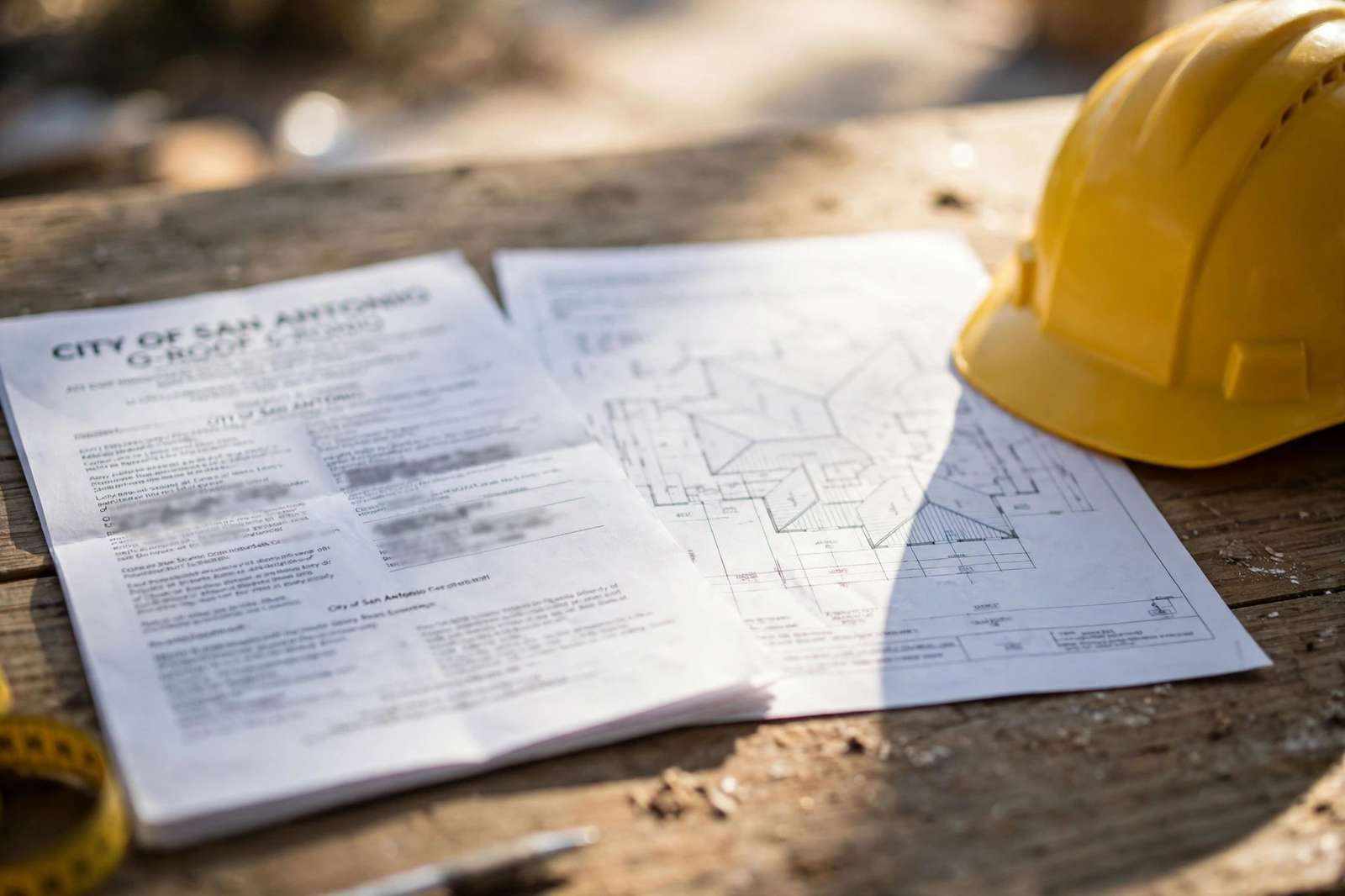
Re-Roof Permit Required
A re-roof permit is required on any replacement in San Antonio city limits, and roofing is not on the City's no-permit list, so the permit is part of the job, not an extra.
The City of San Antonio requires a re-roof permit on any replacement. The fee is $28.75 flat, or $31.05 online with surcharges. That is the City fee, not our price, and the permit is pulled before the tear-off, not after.
A re-roof permit is required on any replacement in San Antonio city limits, and roofing is not on the City's no-permit list, so the permit is part of the job, not an extra.
The 2024 IRC and IBC were adopted by the City on 30 January 2025 and took effect on 1 May 2025, and the energy code stays on the 2021 edition.
The design wind is 108 mph, set by the City's amended climate table, and the nailing pattern and the fastener count are set to that figure, not to habit.
Two layers at most may sit on a roof, and a roof already carrying two layers can only be torn off to the deck, because the city's two-layer limit is a hard stop.
City contractor registration is the local credential for pulling a re-roof permit, and the registration class decides which jobs it covers: a no-pitch-change re-roof or a pitch change that needs full plan review.
The approval order is HOA first, City permit second, insurer third, and the work last, because each approval depends on the one before it.
The permit is the first fact. The City of San Antonio requires a re-roof permit on any replacement, and the fee is $28.75 flat, or $31.05 online with surcharges. A no-pitch-change re-roof is issued over the counter, while a change of pitch needs full plan review and an engineer's report. The adopted code is the 2024 IRC and IBC, effective 1 May 2025, the design wind is 108 mph, and the maximum is two layers. Texas has no state roofing licence, so the City's contractor registration is the local credential, and a homeowner may pull the permit with proof of ownership.
The code is the second fact. San Antonio adopted the 2024 International Residential Code and International Building Code on 30 January 2025, effective 1 May 2025, with a design wind speed of 108 mph and a maximum of two layers of roofing. The third fact is the licence question: Texas does not issue a statewide roofing licence; the City of San Antonio requires contractor registration for re-roof permits. We do not claim to hold any registration or certification, and you should ask any roofer for theirs. If an HOA is involved, see HOA approval help; if a historic district is involved, see historic district roofing.
How the approval order works: HOA first, City second, insurer third, work last, so each approval is in hand before the next one is asked for.
Schedule
Call (254) 645-5833 during hours and tell us the address and the roof. We check the HOA, the district and the permit, and we set a time to inspect.
Diagnose
We inspect the roof, photograph the wear and the flashing, and check the approvals the job needs, so the scope is written from the roof and the rules it sits under.
Fix
You get a written scope for the permit work, naming the approvals, the fee and the order, so the decision is specific.
Finish
We get the approvals in order, pull the permit, and walk the finished job with you before we leave.
Permit paperwork
On a permits job the permit paperwork is how we check the work before it starts, because the approvals have to be in hand before the tear-off, not after it.
House plan and roof plan
We use the house plan and roof plan on every permits visit to read the pitch, the layers and the structure, so the permit application names the roof that is actually there.
Moisture meter
The moisture meter is how we check permits and codes work before it is covered up, so a wet deck under the old roof is found while it can still be fixed.
Camera for documentation
On a permits job the camera for documentation earns its keep on the first slope, photographing the roof before the work, so the record matches the roof.
Safety harness and roofing ladder
We use the safety harness and roofing ladder on every permits visit, because a permit job is still a roofing job, and the steep slopes get worked without rushing.
Roofing hammer and utility knife
The roofing hammer and utility knife are how we check permits and codes work before it is covered up, so a soft spot or a missed nail is found while it can still be fixed.
HOA approval first
For permits and codes, HOA approval first is what keeps the job straight, because the HOA decides the look before the City decides the permit.
City permit second
We follow city permit second on permits and codes work, because the City permit is pulled after the HOA approval, not before it.
Insurer third, work last
Insurer third, work last is the rule on every permits job we do in San Antonio: the insurer is told after the permit is in hand, and the work starts after that.
Final inspection where required
For permits and codes, final inspection where required is what closes the job on the City's record, because a permit without a final inspection is a job that is not finished.
01
What we do: We read the City's rules with you, name the permit, the fee and the order, and write a scope that follows them, because a replacement without a permit is a problem at the next sale.
The homeowner gets a written scope for the permits work, with the approvals named and the order set out, so the next step is a decision, not a guess.
02
What we do: We read the HOA's paperwork with you, name the exact product and colour, and get the approval in writing before the tear-off, because the HOA decides the look before the City decides the permit.
The roof is documented, the permits work is scoped, and the homeowner decides with the evidence in hand rather than a guess.
03
What we do: We check the district status of the address, name the review the roof needs, and write a scope that goes through the preservation office, because a historic roof is reviewed before it is worked on.
The homeowner keeps photos of the damage and a written scope for the permits work, so the next step is a decision, not a guess.
04
What we do: We read the buyer's question with you, name the permit and the final inspection, and write a scope that answers it, because a sale does not wait for a guess.
The permits scope is written, the photos are in hand, and the homeowner can act on the roof with the evidence in front of them.
The rules are public, the fee is flat, and the order is fixed: HOA, then the City permit, then the insurer, then the work. The page sets out the rules as they stand, so any roofer can be checked against them.
Stone Oak
In Stone Oak the permits and codes work follows the neighbourhood: 1990s and newer streets, tile-heavy blocks beside architectural shingle ones, and HOA rules that name the material and the colour.
Monte Vista
Monte Vista is one of the San Antonio neighbourhoods where permits and codes work is shaped by the houses themselves, with early-20th-century houses in a historic district where the review comes first.
King William Historic District
King William Historic District homes bring their own permits and codes pattern, with Victorian houses from the 1870s to the 1890s where a replacement goes through the historic review before the tear-off.
Thousand Oaks
In Thousand Oaks the permits and codes work follows the neighbourhood: 1980s streets on their second or third roof, where the decision is usually about age, not about one storm.
Westover Hills
Westover Hills is one of the San Antonio neighbourhoods where permits and codes work is shaped by the houses themselves, with far-west master-planned streets where the roofs are newer and larger.
Re-roof permit required on any replacement
When we plan permits and codes work, re-roof permit required on any replacement is on the list from the first look, because roofing is not on the City's no-permit list.
2024 IRC and IBC, effective 1 May 2025
2024 IRC and IBC, effective 1 May 2025, shapes how permits and codes work is done in this city, because the adopted code is the 2024 edition and the energy code stays on the 2021 edition.
Design wind speed of 108 mph
Design wind speed of 108 mph is part of every permits job here, and the nailing pattern and the fastener count are set to the adopted code, not to habit.
Two-layer maximum
When we plan permits and codes work, two-layer maximum is on the list from the first look, because a roof already carrying two layers can only be torn off to the deck.
Permit problems are usually order problems, and the order is the fix: HOA first, City second, insurer third, work last, so each approval is in hand before the next one is asked for.
Problem
A tear-off started before HOA approval is a roof that has to wait, because the HOA decides the look before the City decides the permit, and the work cannot go backwards.
Our Fix
We stop the tear-off started before HOA approval, get the approval in writing, and then pull the permit, so the job that follows is the job that was approved.
Problem
A replacement done without a permit is a problem at the next sale, because the buyer and their inspector ask for the permit, and a roof without one is a roof without a record.
Our Fix
We document the replacement done without a permit, pull the permit where the City allows it, and write a scope that closes the record.
Problem
A historic review skipped before the work is a roof that has to wait, because the historic review comes before the work, not after it.
Our Fix
We write the scope for a historic review skipped before the work, and the work is sequenced around the review, not the other way around.
Problem
A second layer added over an old roof is a roof that has used up its layers, because the city allows two at most and a third layer is never an option.
Our Fix
The fix for a second layer added over an old roof is a full tear-off to the deck, with the deck inspected and the soft sheets replaced before the new system goes on.
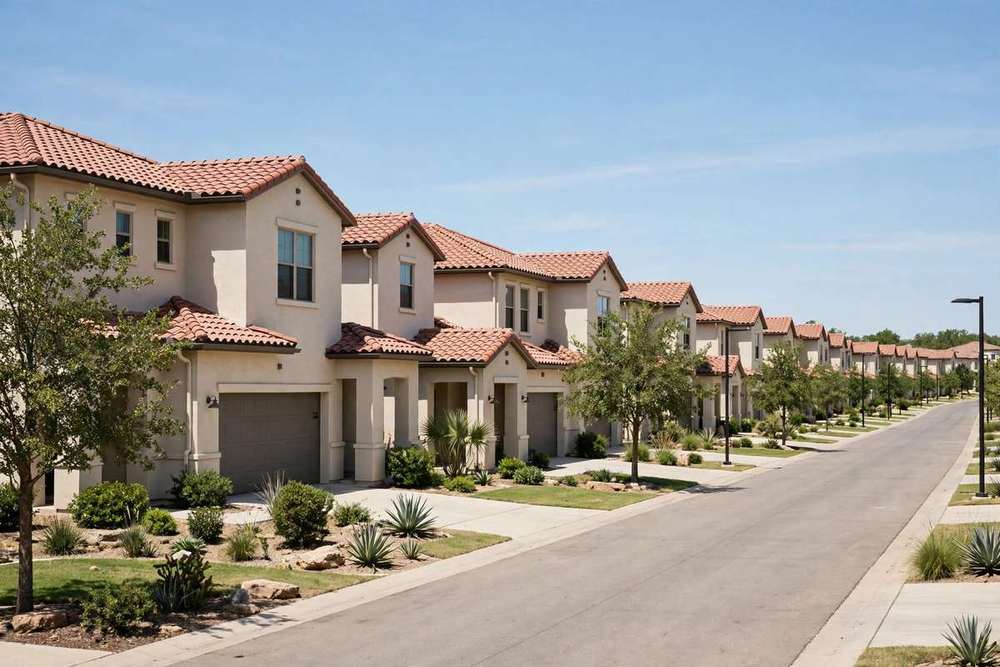
A roof without a permit is a roof a buyer will question, an insurer will question, and the City can question. The permit costs $28.75 flat, or $31.05 online with surcharges, and it is the cheapest protection on the job. See roof replacement for the work itself.
Permit pulled before tear-off
With permits and codes, permit pulled before tear-off is the difference between a roof that is on the City's record and a roof that is a problem at the next sale.
Approval order followed
Approval order followed is one of the reasons homeowners choose our permits work, because HOA first, City second, insurer third, and work last is an order, not a suggestion.
Code and fee named up front
Code and fee named up front is built into the permits and codes work, not added on top of it, so the rules the job follows are written down before the work starts.
Paperwork kept with the house
With permits and codes, paperwork kept with the house is the difference between a roof you hope was permitted and a roof you can prove was permitted, with the permit and the final inspection on file.
Kbron Roofing holds 5.0 out of 5 from 18 Google reviews, all 5-star. Reviewers name Rene Vargas as their contact and describe honest, no-pressure service. Read short verbatim excerpts from those reviews in the Permits and Codes testimonials below.
We pull the City re-roof permit on every replacement, and we follow the approval order: HOA first, City second. Call (254) 645-5833 during hours.
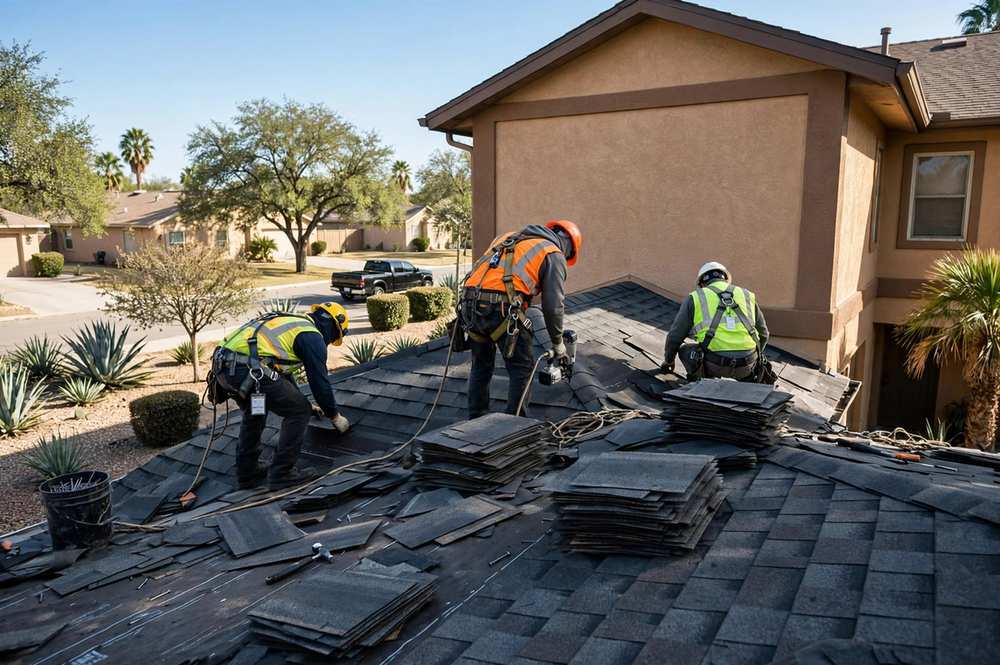
Short verbatim excerpts from Google reviews by customers who chose our permits and codes work. All five readable reviewers gave 5 stars two months ago; three are quoted below.
"Rene is incredibly honest, hardworking, and dedicated to his customers. He takes the time to truly understand your needs and delivers quality work and results at a price that won't break your wallet."
Joe Favor
★★★★★ · Homeowner, San Antonio · 2 months ago · Roof inspection, roof installation, storm and wind repair
"Rene took a genuine, zero-pressure approach. He is remarkably honest, transparent, and truly puts the customer's best interest first."
Imanii Roberson
★★★★★ · Homeowner, San Antonio · 2 months ago · Roof repair for storm and wind damage
"He was so professional, walked me through the steps of how to make a claim with my insurance, and the whole process was super simple. The roof was installed in just one day, and the crew was incredibly clean and professional."
Donnovan Smith
★★★★★ · Homeowner, San Antonio · 2 months ago · Storm and wind repair, roof installation
Real answers to the questions we hear most often about permits and codes in San Antonio, including the fee and the layers allowed.
Where permits and codes work raises a question, roof replacement is often the answer, and we scope it in the same visit.
View Roof ReplacementHOA Approval Help is the natural next step after permits and codes on a roof that needs more than one kind of attention.
View HOA Approval HelpHistoric District Roofing pairs with permits and codes on many San Antonio homes, and the two scopes are written together so nothing is missed.
View Historic District RoofingWhere permits and codes work raises a question, roof inspection is often the answer, and we scope it in the same visit.
View Roof InspectionRoof Installation is the natural next step after permits and codes on a roof that needs more than one kind of attention.
View Roof InstallationInsurance Claims Help pairs with permits and codes on many San Antonio homes, and the two scopes are written together so nothing is missed.
View Insurance Claims HelpCall us at (254) 645-5833 or send a message and we will get back to you during business hours. We answer permit questions Monday to Saturday, 6 AM to 8 PM.
Phone
(254) 645-5833Address
6 Irongate Creek, San Antonio, TX 78238, United States, San Antonio, Texas
Hours
Mon–Sat: 6 AM – 8 PM