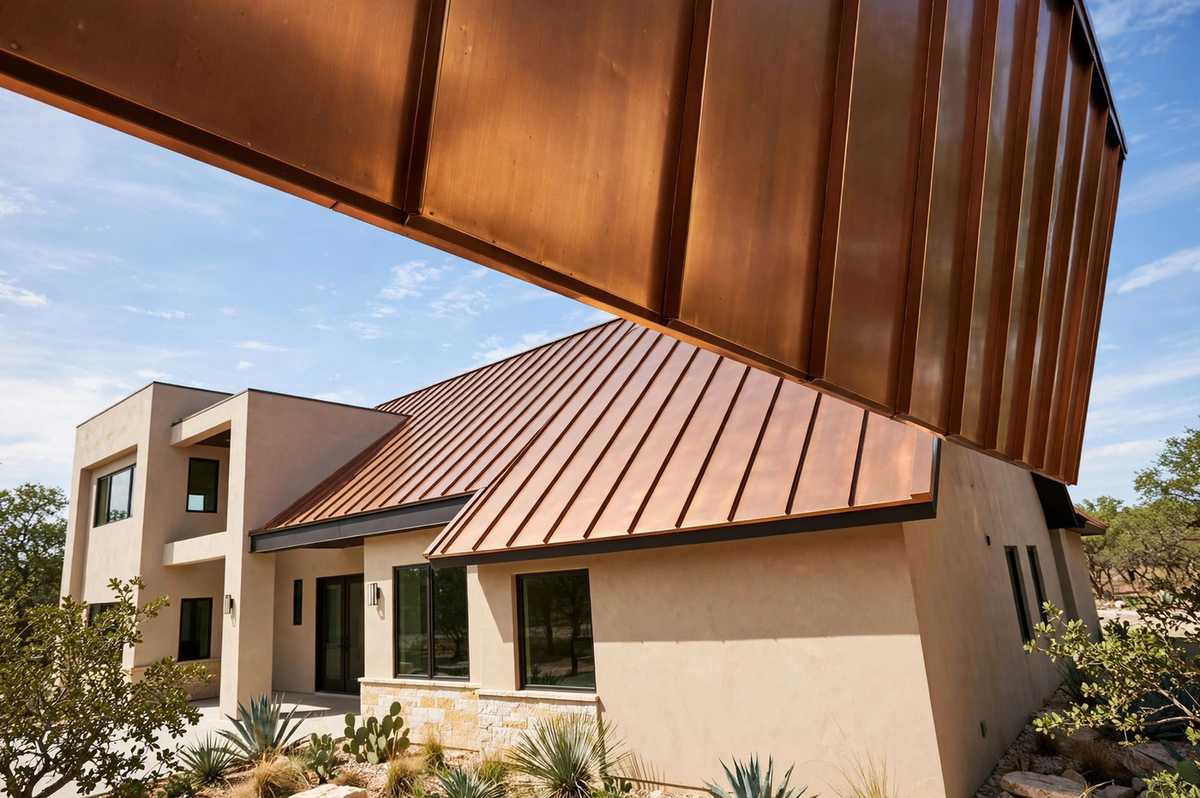
Tear-off and deck inspection
The old roof is torn off and the deck is inspected before any metal goes down, because a metal roof over a soft deck is a metal roof that oil-cans and leaks.
Metal roofing is a different trade from shingle roofing, and it is installed as one: the deck, the high-temperature underlayment, the panels, the flashing and the ventilation, each in its turn.
The old roof is torn off and the deck is inspected before any metal goes down, because a metal roof over a soft deck is a metal roof that oil-cans and leaks.
High-temperature underlayment goes across the whole deck, because a metal roof in a 100-degree summer runs hotter than shingles and the underlayment has to take it.
Panels are cut to length for the roof, so the field has fewer joints and fewer places for water to find, and the seams are closed with a seaming tool, not with sealant.
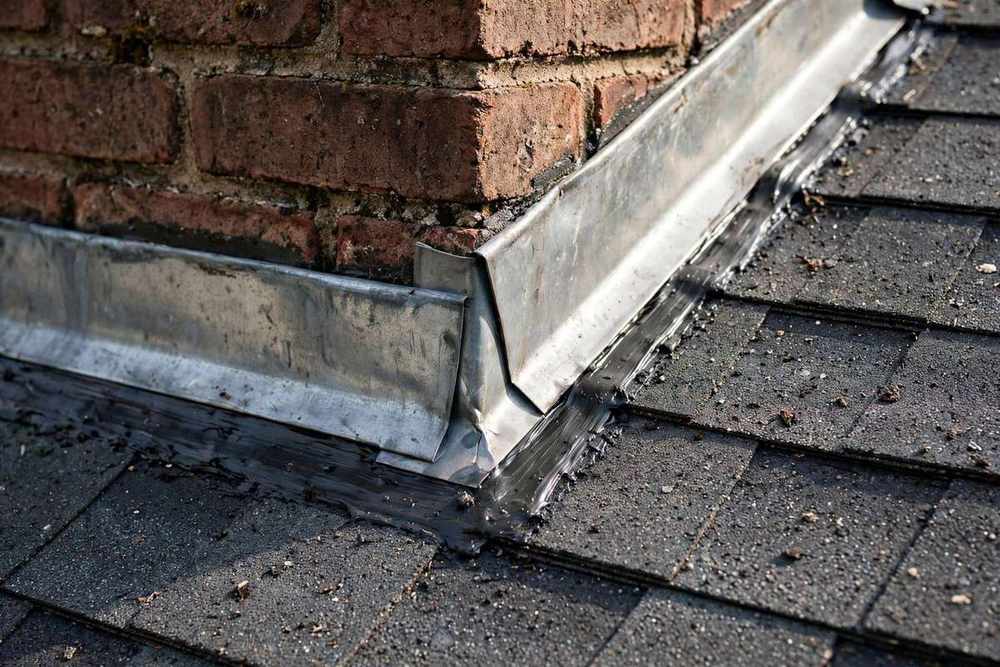
Flashing is custom-formed in metal for every chimney, wall, valley and penetration, because a metal roof with shingle flashing is a roof that leaks at the transitions.
Ventilation and ridge vent are part of the installation, so the attic breathes and the panels are not cooked from below.
Cleanup and final photos close the job: the debris is hauled off, the yard is magnet-swept, and the finished roof is photographed, seam by seam.
Metal roofing in San Antonio actually involves a standing-seam system: panels cut to length, high-temperature underlayment, custom-formed flashing, and clips that let the panels move with the heat. Metal is growing fastest on the Hill Country fringe and on modern and ranch-style builds, where its 40-to-70-year life and its light weight, around 100 to 150 pounds per square against 200 or more for asphalt, make it the long-lived choice. A change from shingles to metal at the same pitch is a material change, and the permit and the structure are checked before the work starts.
The details decide the result: high-temperature underlayment, custom-formed flashing, and clips that let the panels move with heat. A shingle-to-metal change can also trigger review where an HOA or a historic district controls the look, so we check that before tear-off. If you want the tile look without tile weight, stone-coated steel is the middle path, and a roof inspection will show whether your deck is ready.
How our metal roof installation works: the same order, every time, so the panels sit on a sound system.
Schedule
Call (254) 645-5833 during hours and tell us the age of the roof and what you are seeing. We set a time to inspect, and the inspection covers the deck, the flashing and the ventilation.
Diagnose
We inspect every slope, photograph the wear and the flashing, and check the attic side of the deck, so the scope is written from the roof in front of us, not from a general idea.
Fix
You get a written scope for the metal roof, naming the panel, the underlayment, the flashing work and the ventilation, so the decision is specific.
Finish
We tear off to the deck, rebuild in order, photograph each layer, sweep the yard, and walk the finished roof with you before we leave.
Metal brake and shears
On a metal job the metal brake and shears form the panels and the flashing to the roof, cutting and bending the metal so the transitions fit instead of being forced.
Moisture meter
We use the moisture meter on every metal roofing visit, because a deck that looks dry from above can be damp underneath, and a damp deck is the failure that shows up next year.
Seaming tool
The seaming tool closes the standing seams, locking the panels together without exposed fasteners on the field, which is what keeps a metal roof dry for decades.
Chalk line and shingle cutter
On a metal job the chalk line and shingle cutter mark the panel layout and the cuts, so the courses run straight and the seams fall where they should.
Safety harness and roofing ladder
We use the safety harness and roofing ladder on every metal roofing visit, because a metal roof is slicker than shingles and a rushed footing is how a good job turns into a bad day.
Roofing hammer and utility knife
The roofing hammer and utility knife are how we check metal roofing work before it is covered up, so a soft spot or a missed clip is found while it can still be fixed.
Extension ladder and roof brackets
On a metal job the extension ladder and roof brackets are how the long panels get to the roof safely, because a bent panel is a panel that has to be remade.
High-temperature underlayment first
For metal roofing, high-temperature underlayment first is what keeps the roof dry through hail season and the next hot summer, because a metal roof runs hotter than shingles.
Cut-to-length panels, fewer joints
We follow cut-to-length panels, fewer joints on metal roofing work, because every joint is a place for water to find, and fewer joints mean fewer leaks.
Custom-formed metal flashing
Custom-formed metal flashing is the rule on every metal job we do in San Antonio, not an upgrade and not an extra: the flashing is formed for the roof, not bought off a shelf.
Clips that let panels move with heat
For metal roofing, clips that let panels move with heat is what keeps the roof quiet and dry, because metal expands and contracts with the temperature and the fastening has to let it.
01
What we do: We measure the roof by age and wear: an asphalt roof 15 to 20 years old, granule loss across the slopes, and a second replacement coming due. That is the moment to ask whether the next roof should be the last one for a long time.
The homeowner gets a written scope for the metal roofing work, with photos of the worn slopes and the material named, so the decision is specific instead of general.
02
What we do: We mark and photograph the hail damage slope by slope, count the hits, and write a scope that names the damaged slopes, so the documentation matches the roof instead of guessing at it.
The roof is documented, the metal roofing work is scoped, and the homeowner decides with the evidence in hand rather than a guess.
03
What we do: We trace the leak to the flashing and the fasteners, check the seams and the clips, and name the failure instead of patching the first wet spot.
The homeowner keeps photos of the damage and a written scope for the metal roofing work, so the next step is a decision, not a guess.
04
What we do: We check the structure and the pitch, confirm the house can carry the change, and price the metal roof with the underlayment and the flashing in the open.
The metal roofing scope is written, the photos are in hand, and the homeowner can act on the roof with the evidence in front of them.
Metal suits San Antonio because it reflects heat instead of holding it, sheds water fast, and takes hail impacts that would bruise shingles. It is growing fastest on the Hill Country fringe and on modern and ranch-style builds, where the long life is the point.
Alamo Ranch
In Alamo Ranch the metal roofing work follows the neighbourhood: far-west master-planned building from the 1990s onward, where newer large-format roofs are entering their first replacement window.
Stone Oak
Stone Oak is one of the San Antonio neighbourhoods where metal roofing work is shaped by the houses themselves, with 1990s and newer streets and HOA rules that name the material and the colour.
Westover Hills
Westover Hills homes bring their own metal roofing pattern, with far-west master-planned streets where the roofs are newer and larger and the installation is planned around the era.
Encino Park
In Encino Park the metal roofing work follows the neighbourhood: far-north streets along the Bulverde Road corridor, where architectural shingle and tile sit side by side.
Thousand Oaks
Thousand Oaks is one of the San Antonio neighbourhoods where metal roofing work is shaped by the houses themselves, with 1980s streets on their second or third roof.
Spring hail season across Bexar County
When we plan metal roofing work, spring hail season across Bexar County is on the list from the first look, because about 85 percent of the large-hail reports fall in March through May.
Summer UV and 100-degree heat
Summer UV and 100-degree heat shapes how metal roofing work is done in this city: the panels reflect the heat instead of holding it, and the underlayment is rated for the temperature.
Design wind speed of 108 mph
Design wind speed of 108 mph is part of every metal job here, and the clips and the fastening are set to the adopted code, not to habit.
Expansive clay soils
When we plan metal roofing work, expansive clay soils is on the list from the first look, because the ground swells wet and shrinks dry, the frame moves, and the flashing and the joints take the movement.
Metal roofs fail at the transitions first, and the transitions are where a metal job is judged: the flashing, the fasteners, the seams, and the ridge.
Problem
Leaking at chimney and skylight flashing usually means the flashing was formed for shingles instead of metal, or the sealant gave up while the metal was still sound.
Our Fix
We fix the cause of the leaking at chimney and skylight flashing by forming new metal flashing for the transitions, not by resealing what has already failed.
Problem
Loose or backed-out fasteners are the most common metal roof failure, because the panels move with the heat and the fasteners work loose over thousands of cycles.
Our Fix
We replace the loose or backed-out fasteners and check the clips, so the panels can move with the heat without working the fastening loose again.
Problem
Hail-dented panels and cracked sealant travel together: the hail dents the panel, the sealant cracks at the dent, and the water finds the crack.
Our Fix
The fix for hail-dented panels and cracked sealant is to replace the dented panels and the sealant together, because a new panel over cracked sealant is a leak waiting for rain.
Problem
Wind-lifted panels and ridge caps happen when the clips or the fastening have failed, and the lifted panels around the bare patch are the next ones to go.
Our Fix
We fix the cause of the wind-lifted panels and ridge caps and photograph the repair, then check the slopes around it for the same failure.
Problem
Water backing under the roof edge happens when the drainage path is blocked or the edge flashing has failed, and it wets the deck from below instead of above.
Our Fix
The fix for water backing under the roof edge is to open the drainage path and repair the edge flashing, then check the deck underneath for soft spots before the finish goes back on.
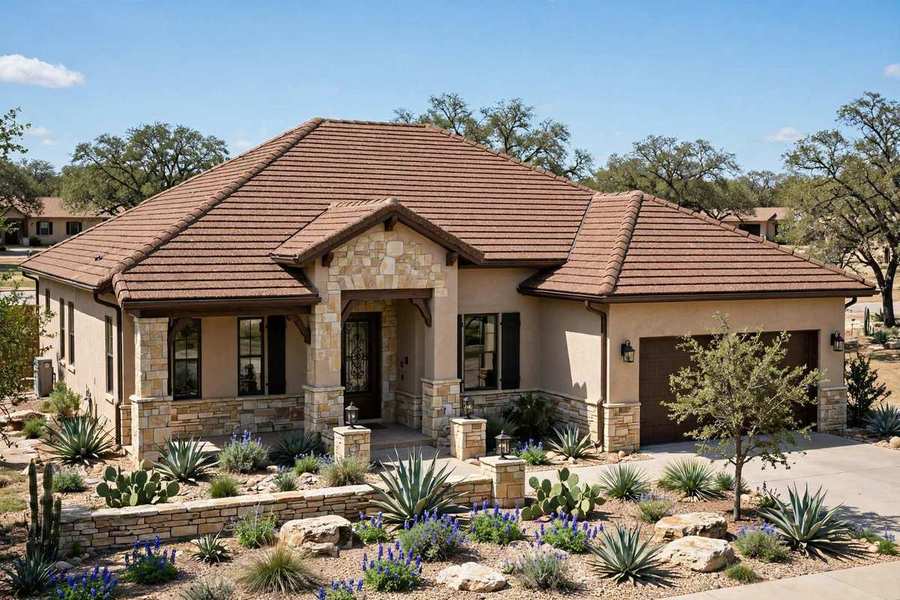
Metal reflects heat, sheds water fast, and takes hail that would end a shingle roof. It costs more to install than shingles and lasts longer, which is the trade to weigh. If you want the tile look in steel, see stone-coated steel roofing.
Heat reflected, not absorbed
With metal roofing, heat reflected, not absorbed is the difference between a roof that cooks the attic and a roof that sheds the summer sun, which is why the panels are light in colour and the underlayment is rated for the heat.
No exposed fasteners on the field
No exposed fasteners on the field is one of the reasons homeowners choose our metal roofing work, because the standing seams lock the panels together and the field has nothing to work loose.
Hail dents, not bruises
Hail dents, not bruises is built into the metal roofing work, not added on top of it: a hailstone that would bruise a shingle mat dents a metal panel, and the panel keeps shedding water.
Panels cut to length for the roof
With metal roofing, panels cut to length for the roof is the difference between a roof with a few joints and a roof with many, and fewer joints mean fewer places for water to find.
Kbron Roofing holds 5.0 out of 5 from 18 Google reviews, all 5-star. Reviewers name Rene Vargas as their contact and describe honest, no-pressure service. Read short verbatim excerpts from those reviews in the Metal Roofing testimonials below.
We install standing-seam metal across Bexar County, from full re-roofs to additions, and we show you the deck before we cover it. Call (254) 645-5833 during hours.
Short verbatim excerpts from Google reviews by customers who chose our metal roofing work. All five readable reviewers gave 5 stars two months ago; three are quoted below.
"Rene is incredibly honest, hardworking, and dedicated to his customers. He takes the time to truly understand your needs and delivers quality work and results at a price that won't break your wallet."
Joe Favor
★★★★★ · Homeowner, San Antonio · 2 months ago · Roof inspection, roof installation, storm and wind repair
"He was so professional, walked me through the steps of how to make a claim with my insurance, and the whole process was super simple. The roof was installed in just one day, and the crew was incredibly clean and professional."
Donnovan Smith
★★★★★ · Homeowner, San Antonio · 2 months ago · Storm and wind repair, roof installation
"He worked with my insurance and made it so easy. Definitely recommend them to anyone, just hear them out because I am very glad I did."
Joshua Garza
★★★★★ · Homeowner, San Antonio · 2 months ago · Storm and wind repair, roof installation
Real answers to the questions we hear most often about metal roofing in San Antonio, including whether a shingle roof can change to metal.
Where metal roofing work raises a question, roof replacement is often the answer, and we scope it in the same visit.
View Roof ReplacementRoof Installation is the natural next step after metal roofing on a roof that needs more than one kind of attention.
View Roof InstallationShingle Roofing pairs with metal roofing on many San Antonio homes, and the two scopes are written together so nothing is missed.
View Shingle RoofingWhere metal roofing work raises a question, stone-coated steel roofing is often the answer, and we scope it in the same visit.
View Stone-Coated Steel RoofingRoof Inspection is the natural next step after metal roofing on a roof that needs more than one kind of attention.
View Roof InspectionResidential Roofing pairs with metal roofing on many San Antonio homes, and the two scopes are written together so nothing is missed.
View Residential RoofingCall us at (254) 645-5833 or send a message and we will get back to you during business hours. We schedule metal work Monday to Saturday, 6 AM to 8 PM.
Phone
(254) 645-5833Address
6 Irongate Creek, San Antonio, TX 78238, United States, San Antonio, Texas
Hours
Mon–Sat: 6 AM – 8 PM